Commercial Building for Sale: What Buyers Should Check Before Making an Offer
 by wpadmin on November 6, 2026
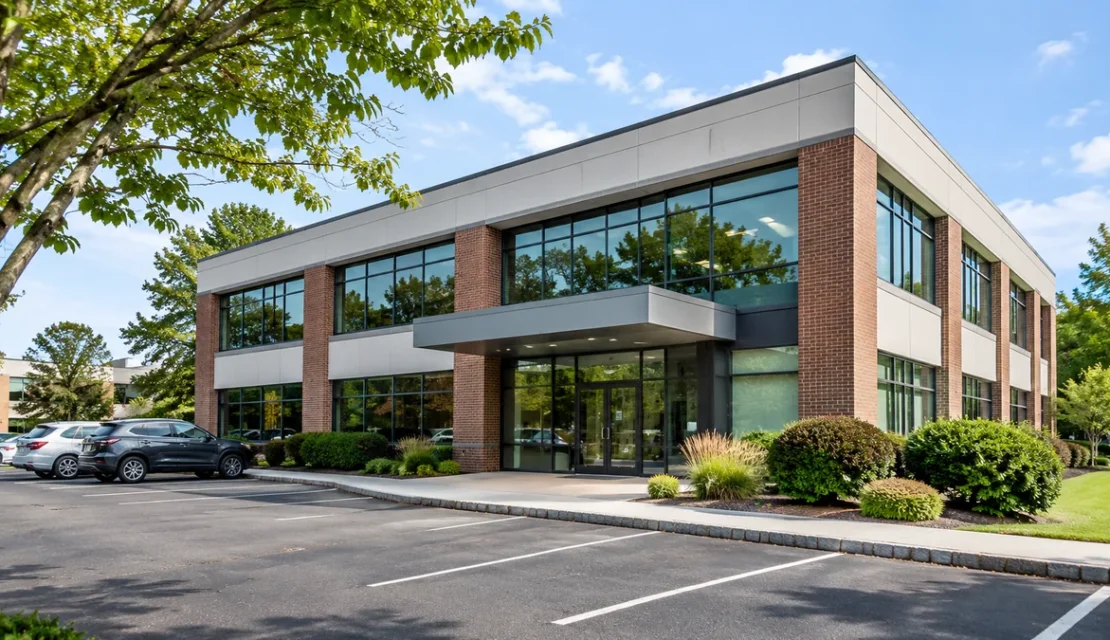
Finding a commercial building for sale involves more than comparing asking prices. Buyers should assess whether the property suits their business or investment goals, its condition, location and permitted use.
Before making an offer, review its financial potential, inspect the building and identify issues that could affect long-term value. This guide outlines the main checks to make before purchasing.
1. Define Your Purpose Before Choosing a Property
Decide how you plan to use the building before reviewing listings. A business buying space for its operations has different needs from an investor seeking rental income or long-term appreciation. Your intended use should guide the property’s type, location, size and budget.
When comparing commercial real estate for sale, consider floor space, parking, loading access, visibility, storage and room to expand. A clear list of requirements helps you focus on suitable properties.
2. Evaluate the Location and Surrounding Area
Location can have a major impact on a commercial property’s usability, operating costs and future demand. Buyers should consider how easily customers, employees, suppliers and delivery vehicles can reach the building. A convenient location with suitable road access, visibility and nearby services may support day-to-day operations and make the property more attractive to future tenants.
Before choosing, compare available commercial real estate for sale in the area using Commerfi’s Map Search, then assess whether the location suits your business or investment needs:
- Accessibility: Check road connections, public transport and available parking.
- Visibility: Assess signage opportunities and exposure to passing traffic.
- Nearby businesses: Look at neighbouring businesses, suppliers and services.
- Area development: Review planned developments and changes that could affect future demand.
- Local demand: Consider whether businesses are actively seeking space in the area.
A property may look attractive on paper, but its location should make practical and financial sense for your intended use.
3. Inspect the Building’s Physical Condition
A property’s appearance does not always reveal its underlying condition. Before purchasing a commercial building for sale, arrange a thorough inspection to identify repairs, maintenance issues and potential safety concerns that could affect your budget.
Pay particular attention to these areas:
- Roof and structure: Look for leaks, cracks, water damage and signs of structural movement.
- Electrical systems: Check wiring, electrical panels and whether the building can support your equipment.
- Heating and cooling: Assess the condition, age and maintenance history of HVAC systems.
- Plumbing: Inspect pipes, drainage, water pressure and signs of leaks.
- Interior and exterior: Examine floors, walls, windows, doors and the overall condition of the building.
- Environmental concerns: Consider whether specialist assessments are needed for issues such as asbestos, mould or soil contamination.
For U.S. property purchases, review the EPA’s All Appropriate Inquiries guidance to understand how environmental conditions and potential contamination liability are assessed before acquisition.
An independent professional inspection can help buyers understand the work required before proceeding. Request available maintenance records and repair estimates so you can account for potential costs when evaluating the property.
4. Review the Financials and Operating Costs
The asking price is only one part of the total cost of purchasing a commercial property. Buyers should understand the building’s ongoing expenses, potential income and any outstanding financial obligations before deciding whether the investment makes sense.
When evaluating commercial property for sale, request the available financial records and review the following:
- Property taxes: Understand the current tax obligations and check for any outstanding amounts.
- Insurance: Estimate the cost of insuring the building and its intended use.
- Maintenance: Review routine maintenance expenses and any significant repairs expected.
- Utilities: Check electricity, water, heating and other operating costs.
- Rental income: For income-producing properties, examine existing leases, rental payments and vacancy history.
- Additional expenses: Identify management fees, service contracts and other recurring costs.
Compare these expenses with the property’s expected income or the savings it may provide for your business. An accountant or commercial real estate professional can help review the figures and identify financial risks before you make an offer.
5. Verify Zoning, Permits and Legal Requirements
A building may appear suitable for your business, but that does not automatically mean its intended use is permitted. Before purchasing a commercial building for sale, confirm that local zoning regulations allow the activities you plan to carry out at the property.
Review these important points before proceeding:
- Zoning classification: Confirm whether the property is approved for retail, office, industrial, warehouse or other intended uses.
- Building permits: Check that previous construction, renovations and extensions received the required approvals.
- Occupancy requirements: Verify permitted occupancy limits and applicable safety requirements.
- Environmental regulations: Identify any environmental restrictions, assessments or outstanding compliance issues.
- Property title: Review ownership records, easements, liens and other restrictions that could affect the purchase.
- Existing leases: For occupied buildings, examine tenant agreements, lease terms and associated obligations.
Consult the relevant local planning authority and a qualified real estate attorney to verify these details. Resolving legal or zoning issues before closing can help prevent unexpected restrictions and expenses.
6. Assess Market Value and Future Potential
The asking price does not always reflect a property’s actual market value. Compare recent sales of similar commercial properties for sale in the area, considering building size, condition, location and potential income before deciding what to offer.
When evaluating a commercial building for sale, consider:
- Comparable sales: Research recently sold properties with similar size, location and features.
- Market demand: Assess demand for commercial space in the surrounding area.
- Future development: Review planned infrastructure and commercial developments that could influence property values.
- Improvement potential: Identify renovations or upgrades that could improve usability and value.
An independent commercial property valuation can provide a more objective estimate of market value. Avoid relying entirely on the seller’s asking price when determining whether a property represents a reasonable investment. You can also explore Commerfi’s featured properties to review available listings and compare property details.
7. Prepare Your Offer and Complete Due Diligence
Once you have evaluated a commercial building for sale, the next step is preparing an offer based on the property’s condition, market value and financial potential. Avoid basing your offer solely on the seller’s asking price. Use your inspection findings, comparable sales and estimated expenses to support your proposed price.
Before committing to the purchase, review these important steps:
- Financing: Confirm your funding arrangements and understand the lender’s requirements.
- Offer terms: Clearly outline the proposed price, deposit, contingencies and deadlines.
- Property appraisal: Obtain an independent valuation where appropriate.
- Document review: Have qualified professionals review the title, contracts, leases and relevant property records.
- Final inspections: Complete outstanding inspections and resolve any issues identified during due diligence.
When comparing commercial property for sale options, consider the complete purchase terms rather than focusing on price alone. Reviewing similar commercial real estate for sale listings can also help you understand the available alternatives.
Work with a qualified commercial real estate agent, attorney and financial professional to review the transaction before signing final agreements.
Explore Commercial Properties on Commerfi
Commerfi helps buyers explore commercial property opportunities through listings from real estate professionals. Browse available properties, compare listing details and connect with listing agents to learn more about suitable options.
Ready to explore your options? Visit Commerfi’s commercial property listings and start your search.
Frequently Asked Questions
What should I check before buying a commercial building?
Review the building’s condition, location, zoning, permits, ownership records, financials and operating costs. Arrange an independent inspection before committing.
How can I determine whether a commercial building is fairly priced?
Compare recent sales of similar properties, assess the building’s condition and income potential, and consider an independent commercial property valuation.
Can I use a commercial building for any type of business?
Not necessarily. Permitted uses depend on local zoning, building approvals, occupancy requirements and property-specific restrictions. Confirm these with the relevant planning authority.
What costs should I consider beyond the purchase price?
Budget for property taxes, insurance, utilities, maintenance, repairs, management fees and professional expenses. Review available records to estimate ongoing costs.
Why is a professional property inspection important?
An independent inspection can identify structural, electrical, plumbing and maintenance issues that may require costly repairs after purchase.
Conclusion
Buying a commercial property requires careful evaluation of its location, condition, permitted use and financial performance. Review property records, arrange independent inspections and seek qualified legal and financial advice before making an offer.
A structured due diligence process helps buyers compare available options, identify potential risks and make informed decisions that align with their business or investment goals.