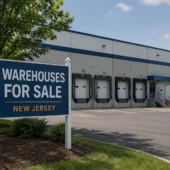

Zoning and Legal Considerations for Commercial Land for Sale in New Jersey: What Buyers Must Know
 by wpadmin on April 21, 2026
Investing in commercial land for sale is a lucrative opportunity, but understanding zoning laws and legal requirements is essential before making any purchase. Every parcel of land comes with specific rules that dictate how it can be used, what structures can be built, and which business activities are allowed. Without proper knowledge, buyers risk costly mistakes or legal complications. Whether you are exploring commercial property land for sale in urban centers, suburban areas, or industrial zones, it’s vital to navigate zoning and legal considerations. In this article, we will break down the critical aspects of zoning laws and other legal considerations that affect commercial land for sale in New Jersey.
Understanding Zoning Laws in New Jersey
Zoning laws are local regulations that control land use within municipalities. They determine what types of structures and businesses can exist in specific areas. For anyone buying commercial land for sale in New Jersey, zoning is a foundational consideration.
Types of Zoning Classifications
New Jersey municipalities categorize land into several zones, including:
- Commercial Zones: Suitable for retail, office, and service businesses.
- Industrial Zones: Intended for factories, warehouses, and manufacturing facilities.
- Mixed-Use Zones: Allow combinations of commercial, residential, and sometimes light industrial activities.
- Special Purpose Zones: Include hospitals, schools, or government facilities.
Each zone comes with restrictions on building height, floor area ratio (FAR), setbacks, parking requirements, and signage. Knowing the zoning of your target property ensures that your intended business operations are permitted.
Legal Rules To Buy Commercial Land for Sale In New Jersey
Title and Ownership Verification
Before purchasing commercial property land, we must verify:
Clear Title: Ensure there are no liens, mortgages, or disputes.
Ownership History: Review past ownership records to avoid potential legal conflicts.
Easements and Rights of Way: Check if utility lines or shared access rights affect your property.
A clear title is essential for a smooth transaction and long-term investment security.
Permits and Approvals
Depending on your plans, certain permits may be required:
Building Permits: Required for new construction, expansions, or structural modifications.
Occupancy Permits: Confirm that your business can legally operate in the chosen location.
Environmental Permits: Necessary if your project impacts wetlands, stormwater systems, or air and soil quality.
Failing to obtain the right permits can result in fines, forced removal of structures, or halted operations.
Environmental and Land Use Regulations
New Jersey has strict environmental regulations to protect natural resources and ensure public safety. When buying commercial land for sale in New Jersey, consider:
Wetlands and Flood Zones: Properties near wetlands or flood-prone areas may require special permits or restrictions on construction.
Soil Contamination: Industrial or former factory sites may have soil contamination requiring remediation.
Stormwater Management: Commercial developments must comply with local stormwater and drainage requirements.
Understanding environmental obligations upfront helps avoid legal and financial liabilities.
Tax Implications and Assessments
Purchasing commercial land for sale in New Jersey also carries tax considerations:
Property Taxes: Rates vary by municipality and zoning type. High-value urban areas often have higher tax burdens.
Transfer Taxes: New Jersey imposes realty transfer fees on property transactions.
Assessment Changes: Changes in land use, such as constructing a commercial building, may increase assessed value and property taxes.
Consulting with a real estate attorney or tax advisor ensures you are prepared for both upfront and ongoing costs.
Planning and Development Restrictions
Even if zoning allows your intended use, local regulations may impose additional restrictions:
Setback Requirements: Minimum distances from roads, sidewalks, or neighboring properties.
Height and Floor Area Limits: Controls on the maximum building height or size.
Parking Regulations: Minimum parking spaces required per square foot of commercial space.
Signage and Visibility Rules: Limits on sign size, placement, and illumination.
Adhering to these restrictions is crucial to avoid fines and ensure your commercial project proceeds smoothly.
How to Conduct Due Diligence?
Due diligence is the research and verification process before purchasing land. For commercial land for sale in New Jersey, we recommend:
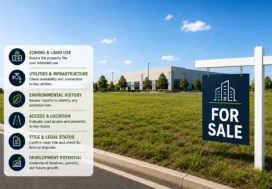
1. Zoning Verification: Confirm the property’s zoning classification and permitted uses with the municipal zoning office.
2. Title Search: Hire a title company or attorney to review the property’s history.
3. Environmental Assessment: Conduct Phase I and Phase II environmental site assessments if industrial use is planned.
4. Survey and Boundaries: Ensure property boundaries are accurate, and any encroachments are noted.
5. Infrastructure Review: Check access to utilities, roads, and public services.
This process minimizes legal risks and ensures you are investing in property that aligns with your business goals.
Working With Professionals
Navigating zoning and legal requirements can be complex, which is why working with experienced professionals is essential:
Real Estate Attorneys: Provide legal guidance on contracts, permits, and compliance.
Commercial Real Estate Brokers: Identify properties that meet zoning and business needs.
Surveyors and Engineers: Assess the property for structural, environmental, and infrastructural considerations.
Local Planning Officials: Clarify zoning codes and permit requirements.
Partnering with experts ensures that your investment in commercial property land for sale is protected.
FAQs
Q1: Can zoning be changed after buying commercial land?
A: Yes, but rezoning requires municipal approval, public hearings, and sometimes environmental review. It can be time-consuming and not guaranteed.
Q2: What is the difference between commercial land and commercial property land?
A: Commercial land refers to undeveloped plots intended for business use, while commercial property may include existing buildings. Both require zoning and legal compliance.
Q3: Are there restrictions on building types in New Jersey commercial zones?
A: Yes, each zone specifies allowed building types, heights, and floor areas. You must comply with these codes to avoid legal issues.
Q4: Do I need environmental inspections for commercial land?
A: For most industrial or mixed-use projects, environmental assessments are strongly recommended and sometimes required by law.
Make Informed Decisions
Purchasing commercial land for sale in New Jersey offers exciting opportunities for investors, entrepreneurs, and developers. However, navigating zoning laws, permits, environmental regulations, and tax implications is essential for success. By understanding the legal framework, conducting due diligence, and working with experienced professionals, we can confidently acquire and develop land that meets business objectives.
At Commerfi, we specialize in helping clients identify commercial property land that aligns with zoning requirements and investment goals. With the right guidance, your commercial land investment can be profitable, compliant, and ready for future growth.